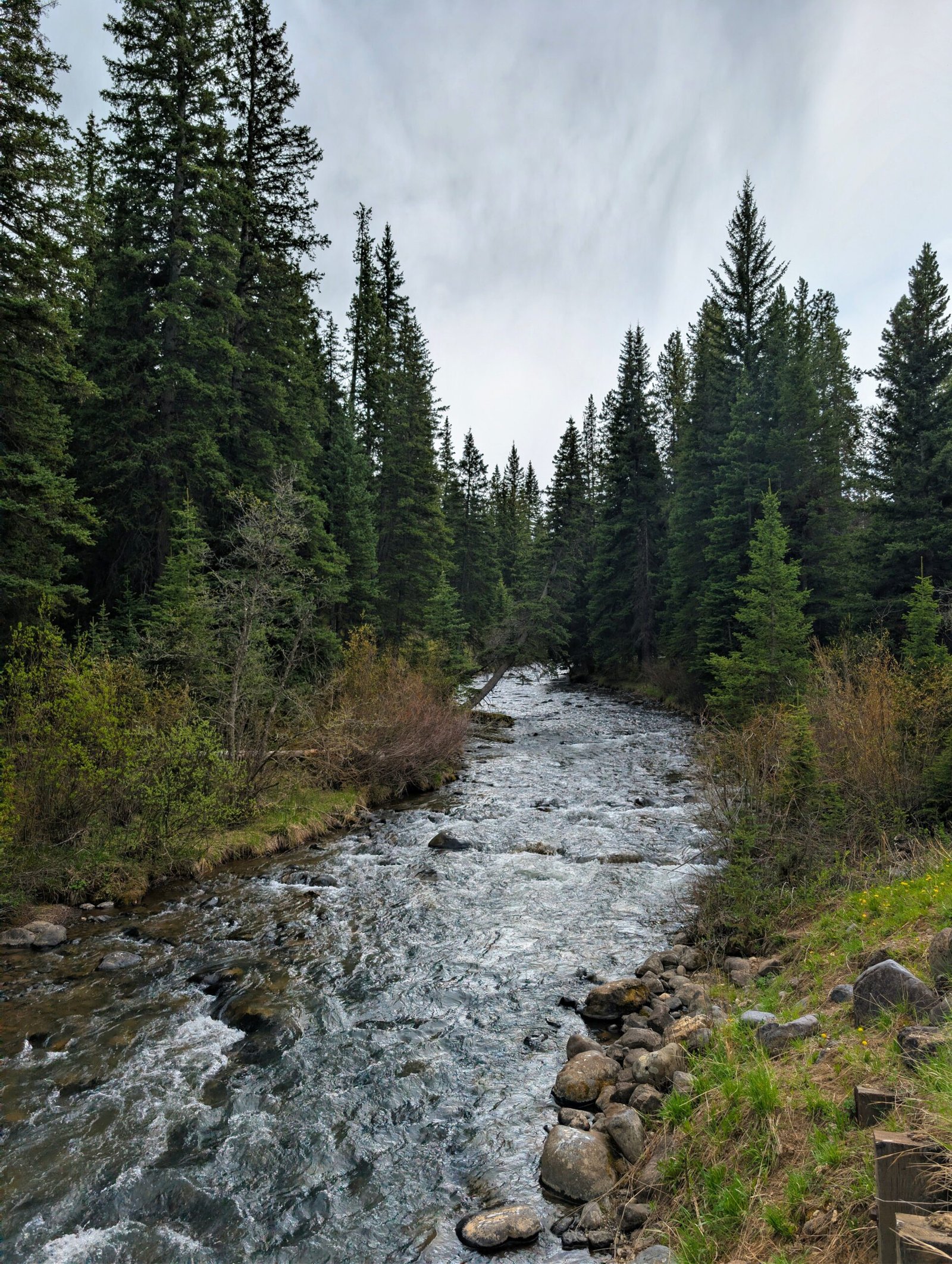
Dawson Creek, British Columbia is a small city of about 13,000 residents nestled in Northeastern British Columbia. While it’s classified as a city, it is more like a small town where everyone knows each other
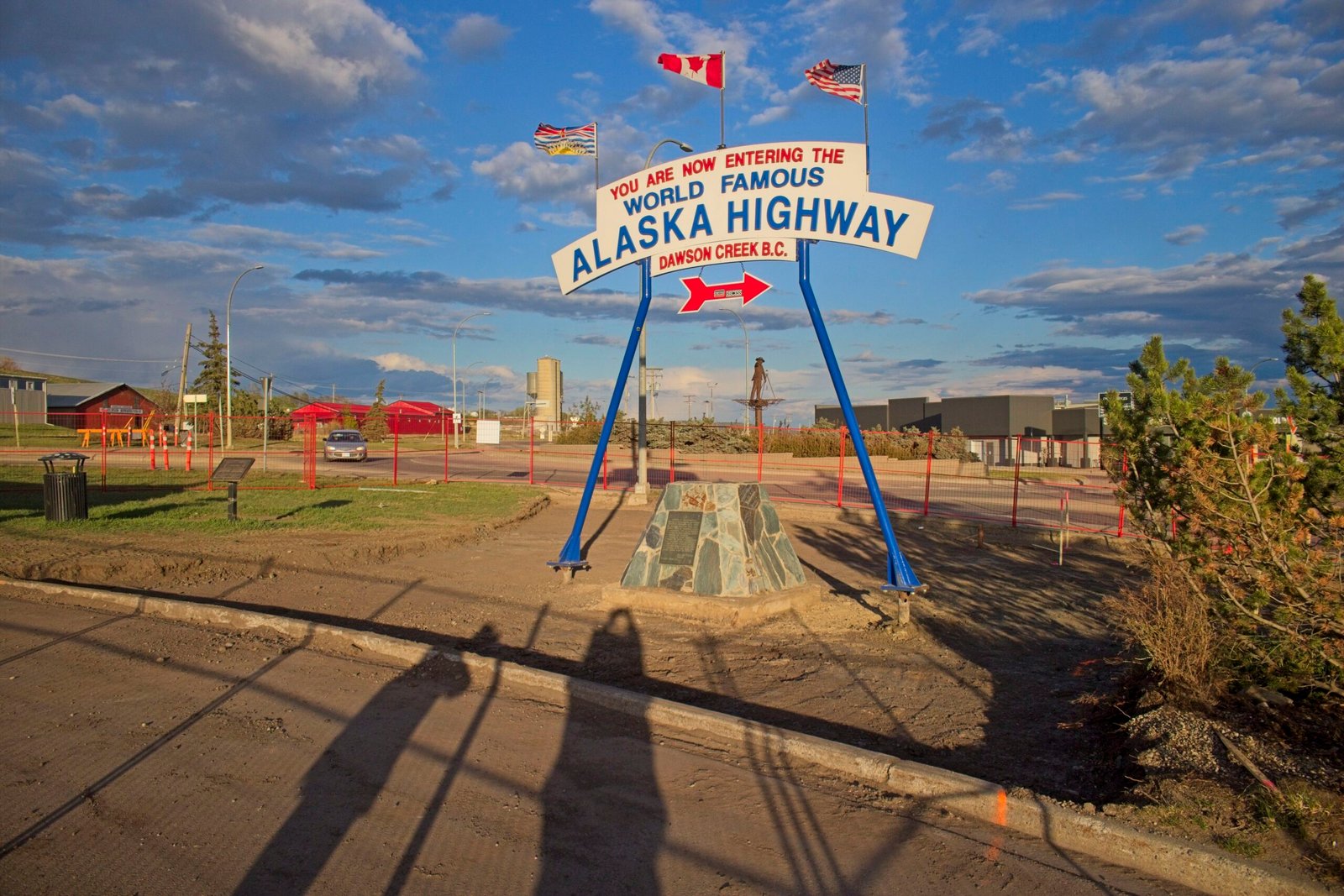
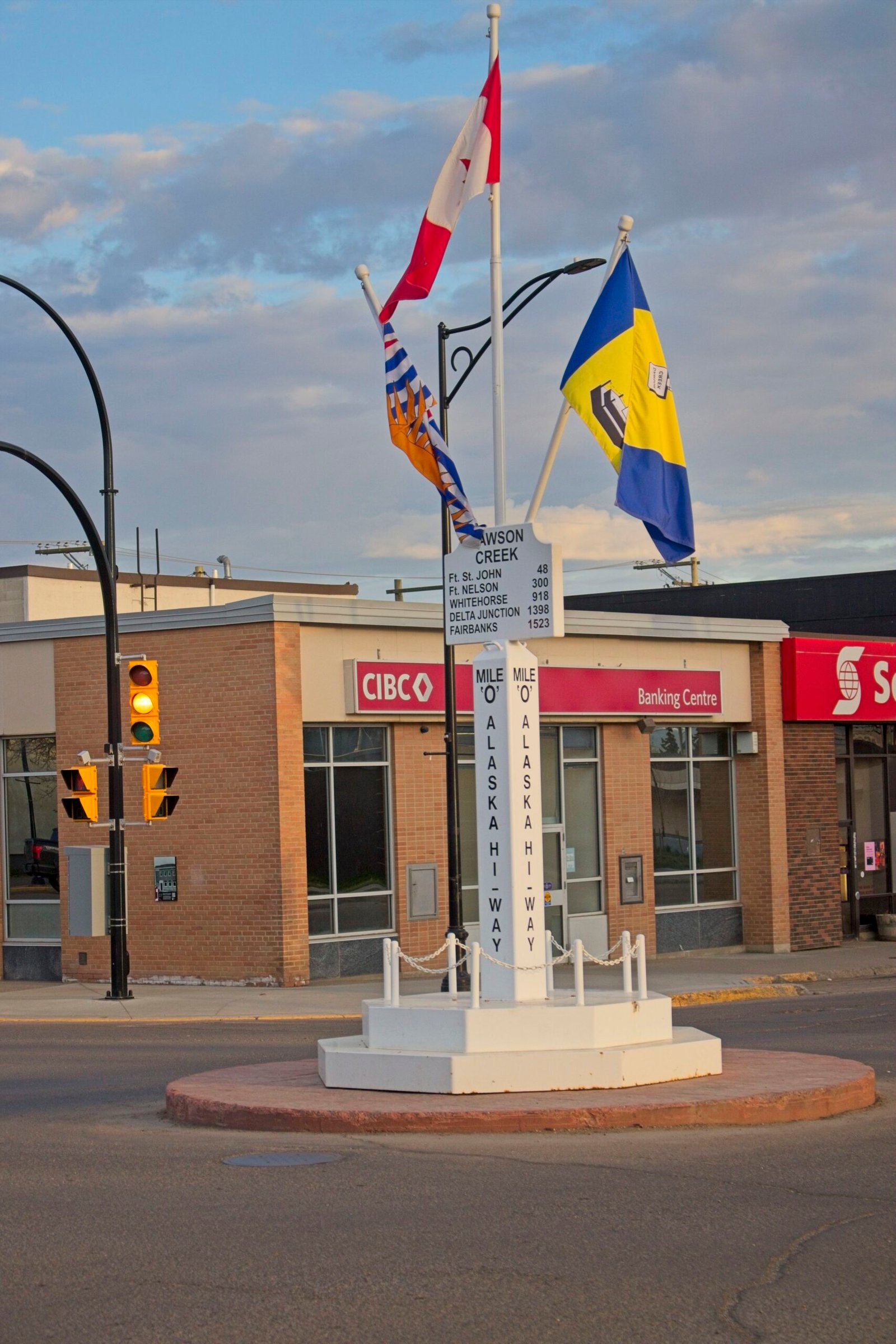
Getting Here
Getting to Dawson Creek has a few options, some are simple and others can be a challenge
By Road
Driving to Dawson Creek is the easiest way to get here. There are 4 major highways connecting the city to many areas. Highway 97 S from Prince George, Vancouver and areas in Southern British Columbia, Highway 97 N connects Fort St. John, Fort Nelson, Yukon and Alaska. Highway 2/AB 43 connects us to Grande Prairie, and continues on to Edmonton. Highway 49 is the main link to Northern Alberta with Spirit River, Rycroft (connects with AB Highway 2)
By Bus
Dawson Creek is served by BC Bus North in partnership with Tahltan NST (a First Nations charter company) , a passenger service serving twice weekly to Fort St. John from Prince George, and then twice weekly to Prince George from Fort St. John. We previously had a route from Fort St. John to Grande Prairie, however that service has since ceased operations. For more information on bus service visit BC Bus North’s website
By Air
While Dawson Creek does have a regional airport, it is mostly used for private charter companies and medical flights, it doesn’t have a direct commercial flight serving Dawson Creek. The closest airport with commercial flights is 45 minutes up the Alaska Highway in Fort St. John. The Fort St. John Airport has flights to Vancouver with Air Canada, along with Calgary and Vancouver with WestJet. Alternatively Grande Prairie Airport in Grande Prairie, Alberta is 1.5 hours away with flights to Calgary and Edmonton
Where to Stay
Dawson Creek has no shortage of a range of hotel and motel options along with RV Parks for those traveling with a holiday trailer or motorhome.
RV Parks
We have 2 main RV parks within a few minutes of the city. Northern Lights RV Park is located just past city limits on Highway 97 S towards Chetwynd/Prince George. Mile Zero Campground is a unique park as it also houses the Walter Wright Pioneer Village, Rotary Recreation Park and in nestled between Highway 97 S and Highway 97 N (access from both highways)
Motels
Dawson Creek has a few great options for locally owned motels and a few chain motels as well. Our chains include Coast Hotels and The Lodge, locally owned properties include Traveler’s Inn, Voyager Inn, Peace Villa Motels and Midtown Motel to name a few.
Hotels & Extended Stay Hotels
Our city has a wide range of hotels ranging from budget friendly to extended stay hotels across the City. Many of these hotels include free breakfast, well appointed guest rooms and pools. Not all amenties are available at all properties (check the listing before booking)
Some of the common hotels here include; Best Western, Super 8, Comfort Inn, Days Inn & Stonebridge Hotel. Along with our locally owned motels we have one locally owned full-service hotel; George Dawson Inn.
Our extended stay properties are mostly used by crews working in the area. Our two main extended-stay properties are the Pomeroy Inn & Suites and newly-opened Staybridge Inn & Suites

Getting Around
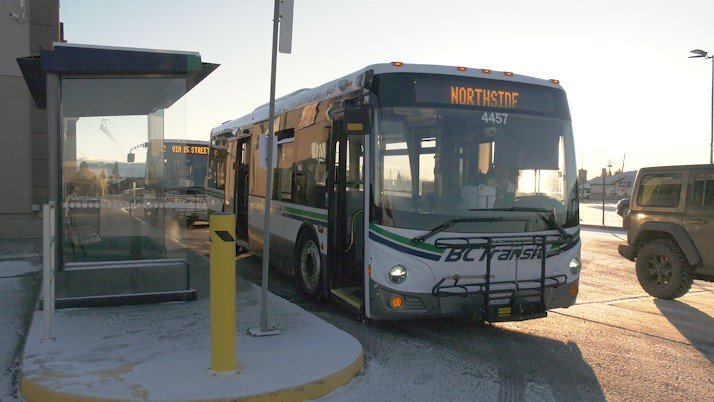
Dawson Creek is a walkable city, many of our services are available within walking distance (whether you are staying on Alaska Ave or 8th Street business districts) If you are in the residential areas you can take advantage of our transit system during the week (it has limited service, but it’s better than nothing; our local transit advocate is advocating for better service for the community) from 7am to 10:30am and 1:20 pm to 5:17 pm you can catch the bus to pretty much every major destination in our city. Visit BC Transit’s website for details on our system. You can pay for the bus using cash, UMO reloadable card or contactless debit or credit card (physical card or Apple/Google Pay).
Those traveling with the BC Bus Pass (red Compass Card) is also able to use their card on the bus as well. Regular Compass Cards aren’t accepted as BC Transit uses UMO instead of Compass.
We also have a taxi company serving the city with a range of vans, small SUV’s, and a couple of wheelchair vans for those who need it. Call Golden Cabs at 250-782-7774 if you need a taxi.
Uber and Lyft aren’t available in our small community.
Where to Eat
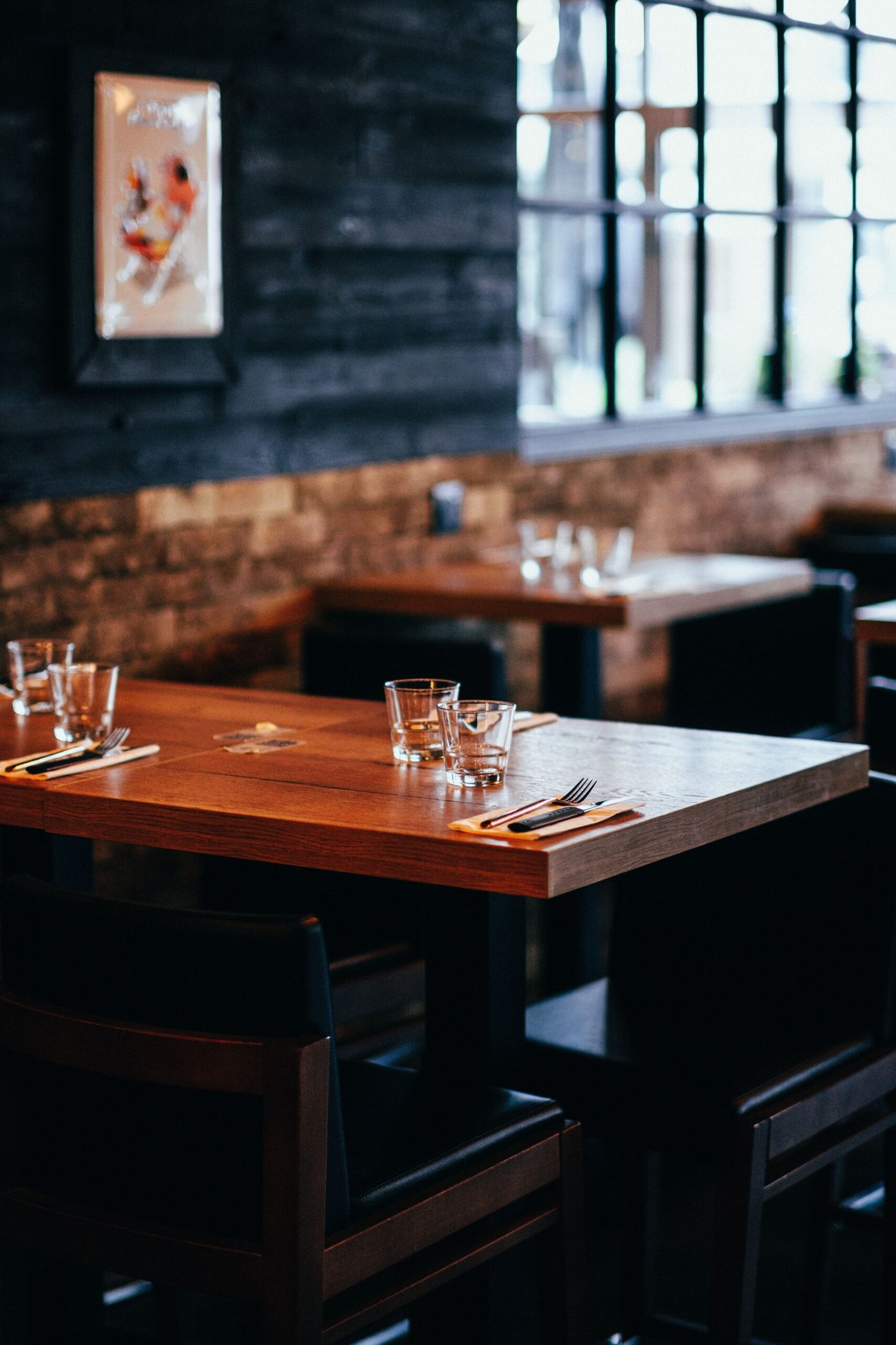
Dawson Creek is also home to a wide range of different styles of restaurants from simple fast-food drive thrus to fully licensed sit-down service restaurants
Fast Food/Drive Thru
We have pretty much the main stream fast-food restaurants all with drive thru (except for the one Subway store in a mini-mall) McDonald’s, Wendy’s, Burger King, KFC, Tim Horton’s, Subway and A&W. We also have a few non-drive thru fast-food loctions; Wok Bok, Edo Japan, BarBurrito and a locally owned Mexican restaurant
Full Service Restaurants
Our full service restaurants are almost all licensed as well allowing them to serve alcohol as well. We have a mix of locally owned restaurants and national chains. Some of my go-to places include; Le’s Family Restaurant (mostly breakfast crowds there on weekends) Boston Pizza (Pizza and Pasta) Brown’s, Mr. Mikes, Sola’s, The Fixx (are all causal dining and offer somewhat of a similar menu)
Bars
Our city has only a few bars (most people have a drink with dinner at one of the many restaurants). However we do have a few pubs. bars and lounges.
Some of the bars include; Rockwell’s Pub, The Milepost Pub, Whiskey Pickle Pub, George Dawson Lounge (in the George Dawson Inn) and Corner Pin Lounge (in the bowling alley)
Coffee Shops
The city also has a wealth off coffee shops not limited to just Tim Horton’s and Starbuck but many local ones as well. My favorites besides the chains are Beans & Barley and Hug A Mug, Faking Sanity, and Kosmic Krumbs (mostly a bakery with an incredible owner; she won the 2022 season of Wall of Bakers)
I’m also going to be trying the newer coffee shops that have opened in the last few years
Things to Do
Outdoor Activities
Dawson Creek is home to many activities no matter what season you arrive in. During the busy summer season you can find residents walking, running, playing pickleball, tennis, badminton or basketball in Kin Park. Residents also enjoy riding bikes, and playing on the many playgrounds with their families
Winter families are out skiing at the local ski hill, cross-country skiing on the Nordic Ski Trails, skating on an outdoor rink, taking in hockey games, curling or indoor sports on the city’s dedicated sports floor facility (Kin Arena)
The Dawson Creek Speed Skating Club maintains the city’s 400m outdoor skating oval. The oval is open to the public (mid-December to mid-February) when the club is not practicing, maintaining or monitoring conditions. Keep a watch on the club’s social media or signs at the oval. Oval use is for skating only, no hockey is to be played on the ice surface
Community Events
Our summers also have a wide range of community events including Canada Day in Pouce Coupe, RibFest/Music Festival, Fall Fair and many other activities. We also have many events throughout the year from concerts, sports events such as; soccer, baseball, basketball, volleyball in the spring to fall. In the winter we are home to a wide range of winter sports including; alpine skiing, cross-country skiing, curling, figure skating, hockey, speed skating and so much more.
Attractions
During our tourist season, our main attractions are open showcasing the history of our city from the early exploration to present day. Our attractions include the Station Museum, an art gallery housed in a restored grain elevator annex building, the Walter Wright Pioneer Village (explore Dawson Creek back in the day), and of course the Mile Zero Cairn and Mile Zero Post with our Visitor Information center in the Mah Building downtown.
You can also take a walking tour to explore our downtown area’s history from the incorporation of the oldest business in Dawson with the Co-op and the downtown explosion.
Weather & Climate
Dawson Creek is definitely a 4 season community and everyone who lives here experiences it differently
Spring
Coming out of the deep freeze, and the white snow melting (at this point it looks brown) and the mercury rising, the community begins the annual spring clean up and making the community looking it’s best with cleaning gravel, dirt and garbage from the streets, lawns and city limits. The local MOT also enlists groups to help with cleaning out the ditches along the main highways
Summer
Summer is the most active, you can see many residents out and about walking, being active and enjoying the beautiful seasons. It doesn’t get overly hot, but average about 20-25 in the summer and can also hit above 30. Our hottest day on record was 39 in 2021 when BC was in a heat dome
Autumn
The turning of the leaves, return of school and school sports, the weather is still reasonable for evening strolls until the first snowfall
Winter
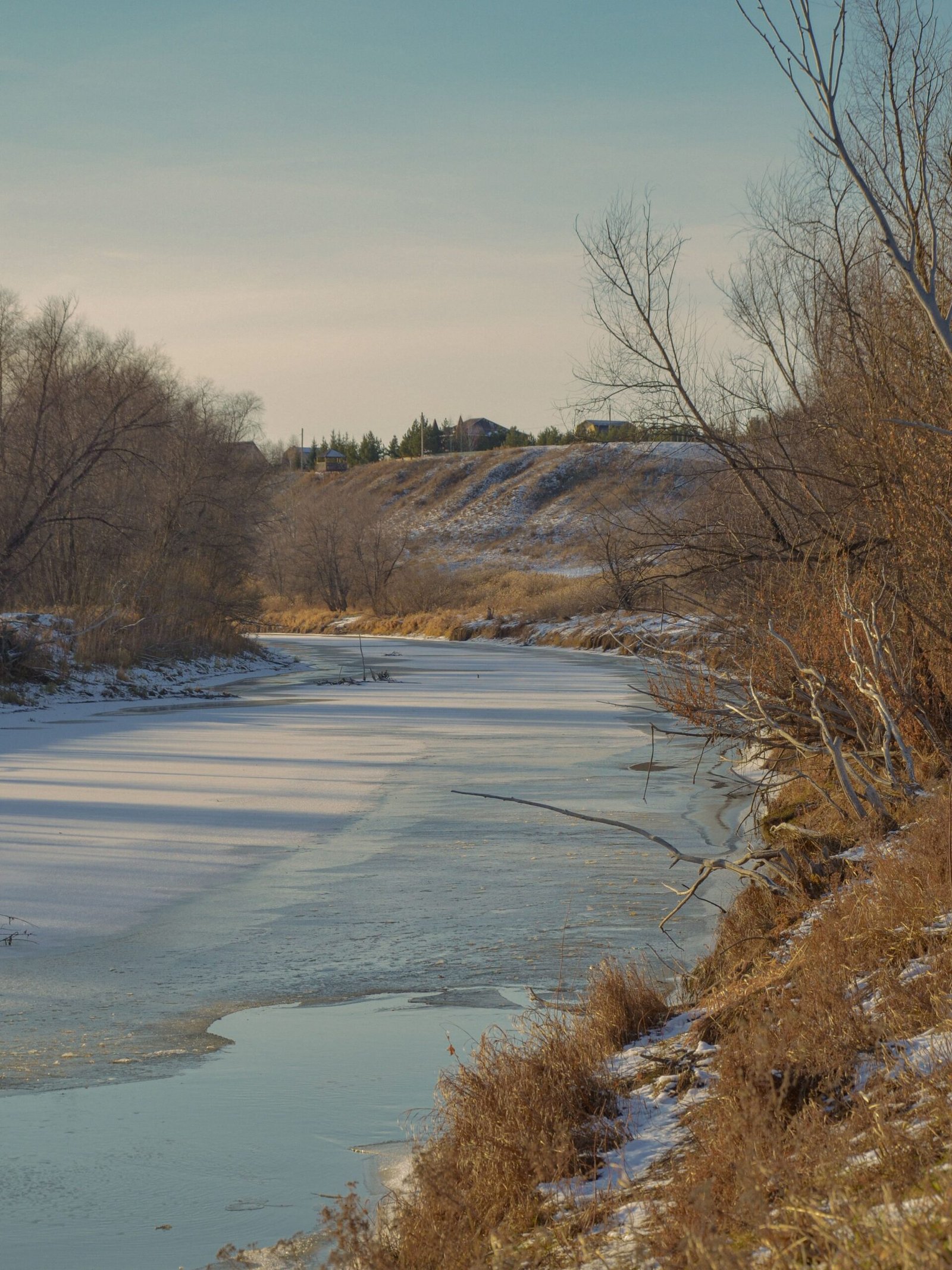
Our coldest yet longest season (usually November to April) with temperatures ranging from around 0 down to -40 or colder with or without the windchill. This is where windows are locked, heat on and snuggling up is accepted as the norm. Most people don’t venture out unless they have to